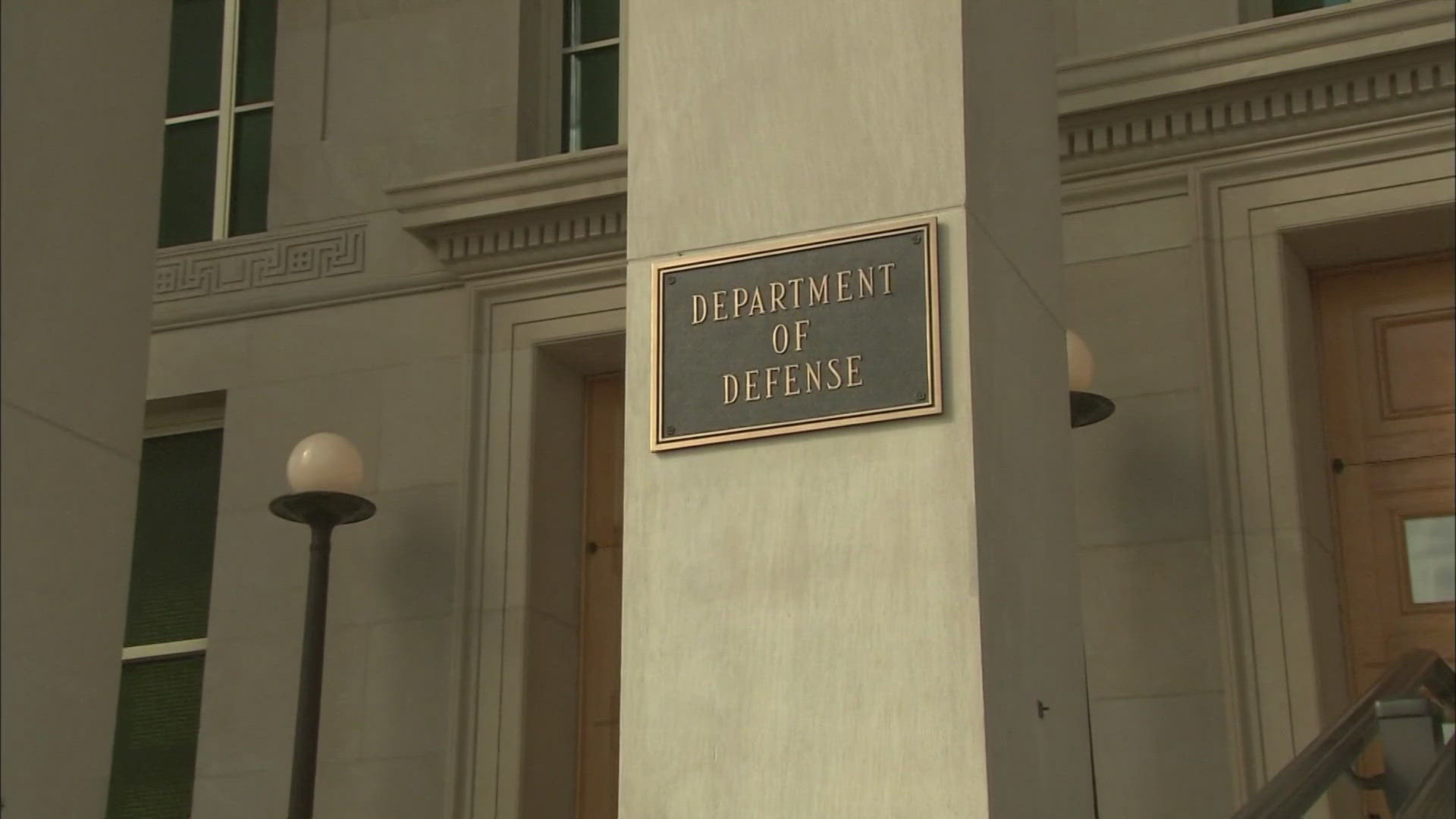
President Donald Trump will sign an executive order Friday directing the Department of Defense to adopt “Department of War” as its secondary title, marking his 200th executive order since taking office.
The move would restore a name the agency last held in the 1940s. According to the order’s text, the administration aims to “project strength and resolve” through the change. The department will initially use the new name as a secondary title while seeking congressional approval for permanent adoption.
The White House has not disclosed costs for the rebrand, though US media estimate a billion-dollar price tag for overhauling hundreds of agencies, emblems, email addresses, and uniforms across the massive department.
The Department of Defense oversees US armed services and succeeds the War Department, which operated as a cabinet-level agency from 1789 until 1947. The order states that “the name ‘Department of War’ conveys a stronger message of readiness and resolve compared to ‘Department of Defense,’ which emphasizes only defensive capabilities.”
Secretary of Defense Pete Hegseth would become secretary of war under the change. The order instructs him to recommend legislative and executive actions for permanent renaming, though creating executive departments requires congressional approval.
Trump expressed confidence in August that Congress would support the idea if needed. However, Democratic Senator Andy Kim of New Jersey criticized the proposal as “childish,” adding that “Americans want to prevent wars, not tout them.”
The War Department was established by George Washington but was rebranded following World War II. Trump has repeatedly advocated for the name change, arguing the US has an “unbelievable history of victory” in both world wars under the previous designation.
Trump and Hegseth have sought to refocus the department on “warfighting” and a “warrior ethos,” arguing it has become too focused on diversity, equity and inclusion programs and “woke ideology.”
The timing coincides with China unveiling new weapons, drones, and military hardware in a massive parade widely interpreted as messaging to the US and allies. This context may influence how the rebrand is perceived internationally.
The practical implications extend beyond symbolism. A billion-dollar rebranding effort raises questions about resource allocation when the military faces modernization challenges and budget constraints. The cost estimate suggests extensive administrative work updating everything from official documents to uniform insignia.
Congressional approval for permanent change remains uncertain. While Republicans control both chambers, some members may question the expense and necessity of such extensive rebranding during current fiscal pressures.
Earlier Thursday, Trump downplayed suggestions about seeking the Nobel Peace Prize, saying, “All I can do is put out wars. I don’t seek attention. I just want to save lives.”
The rebrand reflects broader Trump administration efforts to reshape federal agencies’ messaging and priorities. Whether “Department of War” effectively projects strength or creates diplomatic complications will likely influence its reception among allies and adversaries.
Joy Ale
Joy Ale has served as Seattle Today’s Copy Editor since the publication’s inception, helping maintain the newsroom’s editorial standards and commitment to accurate, clear and engaging journalism.
She plays a key role in reviewing and refining stories across the publication, ensuring consistency, readability and editorial quality. Her work supports Seattle Today’s mission to deliver credible, informative and compelling coverage of Seattle and the surrounding metropolitan area.