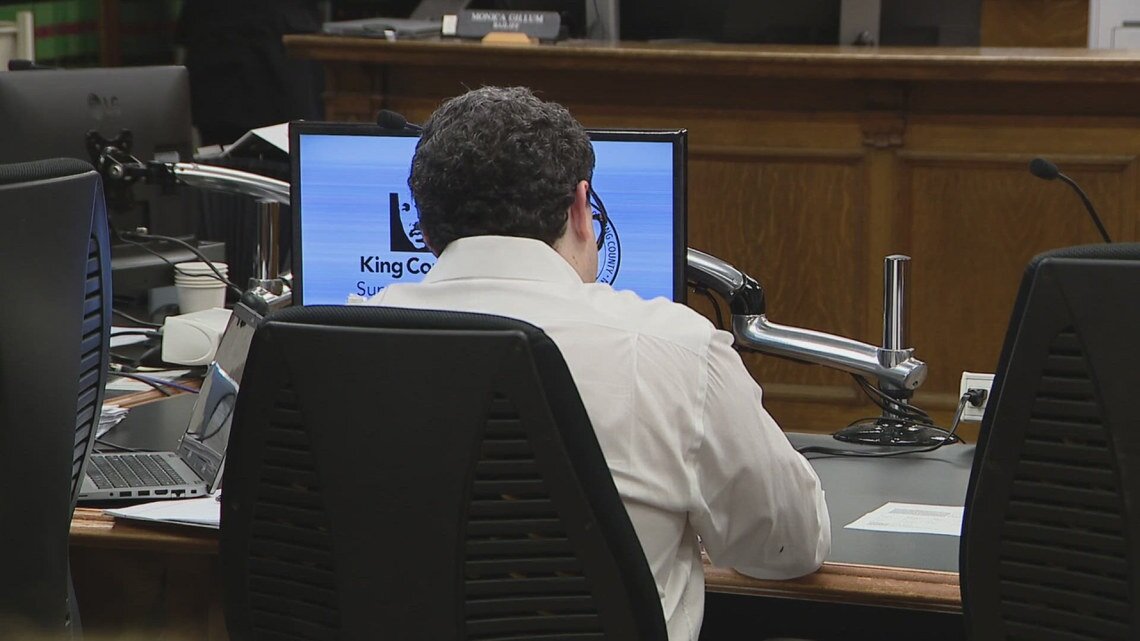
A convicted felon with more than 30 arrests is on trial facing hate crime and assault charges for allegedly attacking a transgender woman in the University District last year, marking at least his second prosecution for violence against transgender individuals.
Andre Karlow has a criminal history dating back more than 20 years. He was convicted last fall for an unprovoked attack in 2024 on another transgender woman working as a Sound Transit fare ambassador and is scheduled for sentencing in March in that case.
Karlow now faces trial for an incident in March 2025. According to the initial police report, the victim was walking when a group of men, including Karlow, began attacking her while calling her slurs and repeatedly punching and kicking her. The group continued to chase her into a nearby business as she tried to get away.
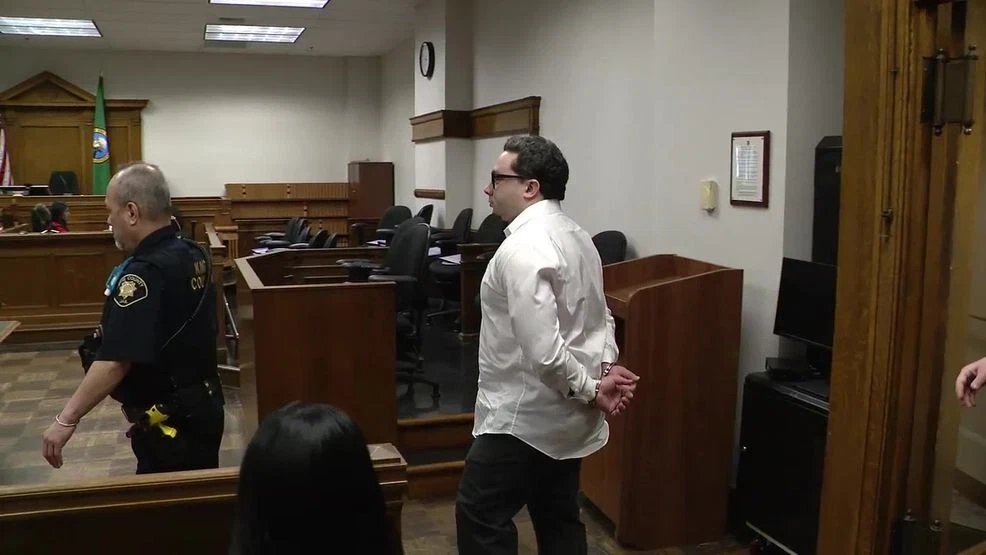
“Took her to the ground twice, punched her, kicked her, chased her down, left her with a swollen black eye, with fractured teeth and with a brain bleed, all because Andie is trans,” Prosecutor Yessenia Manzo told the jury during opening statements Tuesday. The victim testified in court: “I know I’m going to carry this the rest of my life, but frustration and anger and broken-heartedness and disappointment, all these things running through me right now.”
Karlow’s defense attorneys argue he did not attack the victim because she is transgender. “Nobody should have to deal with feeling that way, but you need to consider how someone who feels that way might misperceive events, how they might see bias where there wasn’t any,” Michael Greene, representing Karlow, said. “Andre Karlow is innocent, he did not commit a hate crime, he did not cause substantial bodily injuries.”
The trial start was delayed Tuesday morning after potential new evidence emerged from a recent jail call where Karlow reportedly expressed hatred toward transgender people, making statements to the effect of, “If I didn’t hate trans people before, I do now,” and “I think Trump should kill them, get them out of here.” Prosecutors argue these statements demonstrate Karlow’s bias and animosity. The court will decide later if the call will be presented to the jury.