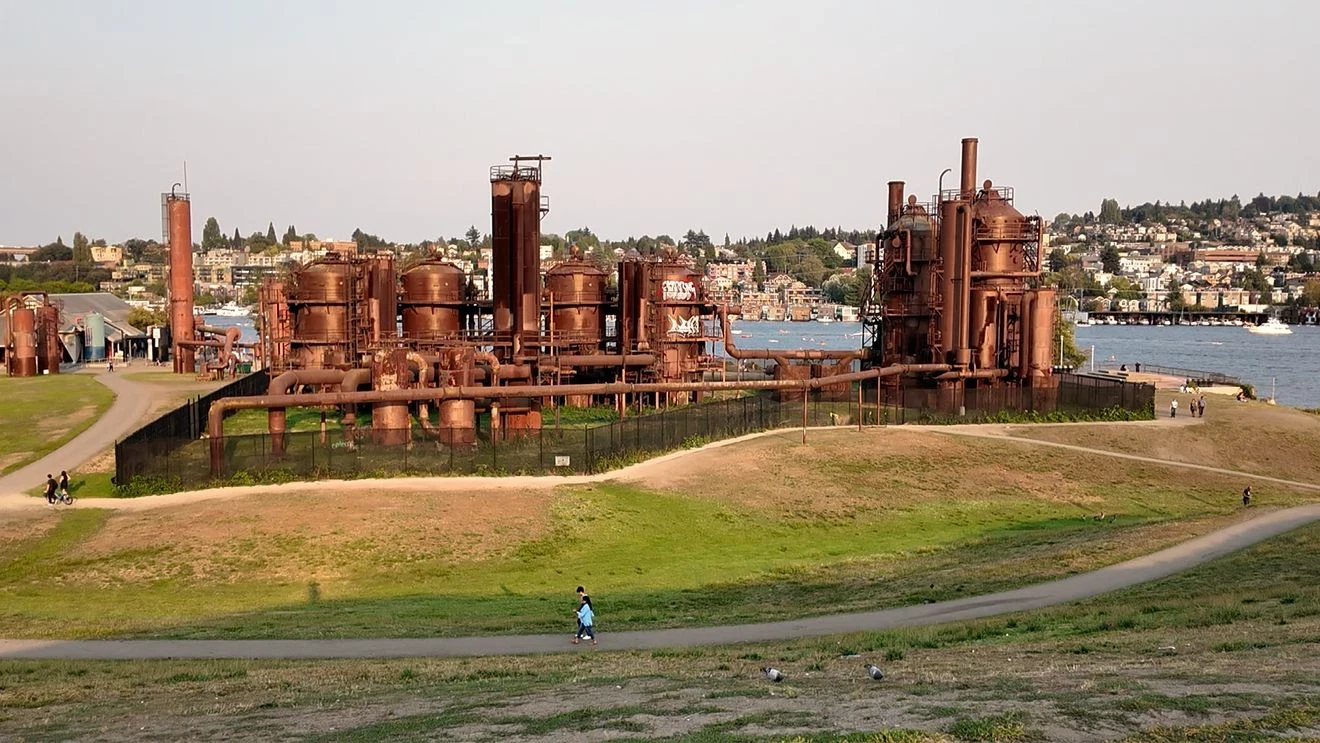
The Seattle Landmarks Preservation Board meets Wednesday afternoon to review a proposal from Seattle Parks and Recreation that would remove ladders, stairs, platforms, and other elements allowing people to climb the former gasification plant towers at Gas Works Park. Parks officials say the proposal follows repeated injuries and three fatal falls in recent years: a 19-year-old man in 2012, a woman in 2022, and a man in 2025. “This facility is not structurally sound, which is one critical reason why public access is precluded and the area fenced, in addition to the contamination,” the department report states, noting there is no long-term conservation plan or dedicated funding to maintain the structures’ integrity.
Gas Works Park, a former coal gasification plant converted into public park in the 1970s, is a designated city landmark and one of Seattle’s most recognizable spaces overlooking Lake Union. Opponents argue that removing climbable features would fundamentally alter the park’s character and diminish its historic value. Critics note the city has already installed fencing and posted warning signs, arguing that enforcement and education rather than physical alteration should be prioritized.
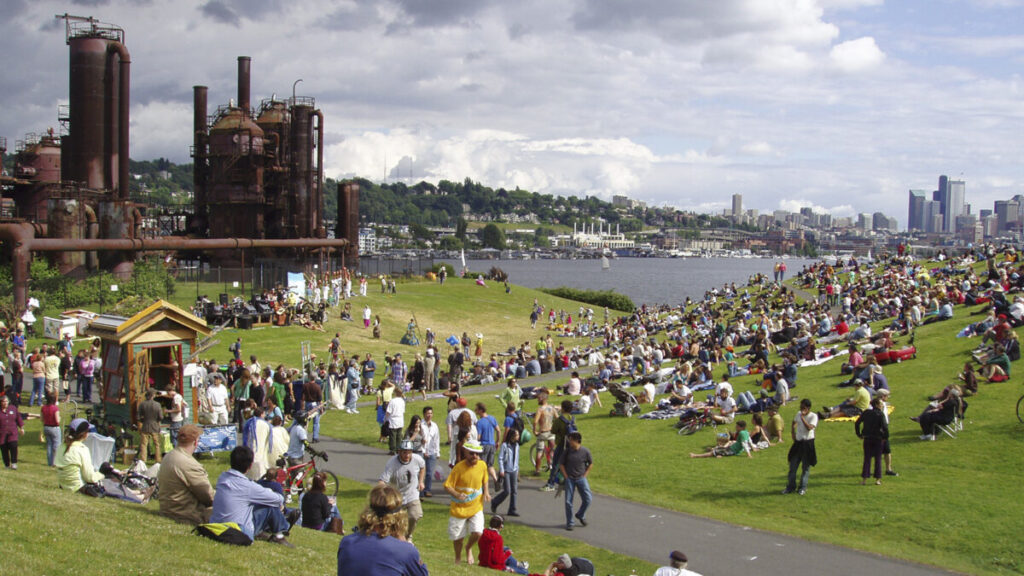
The tension between preserving the park’s industrial character and preventing deaths creates an impossible choice. Removing climbing features eliminates what many consider essential to Gas Works Park’s identity as a place where industrial remnants become public playground. But maintaining climbable access despite three deaths in 13 years means accepting ongoing casualties as the cost of preserving park character.
The debate intensified after a teenage boy fell roughly 50 feet from a structure during a concert. His family announced plans to sue the city, creating legal pressure beyond the moral obligation to prevent injuries. Whether the city can successfully defend that fencing and signs provide adequate warning, or whether courts determine that known dangers accessible despite barriers create liability requiring elimination, affects citywide approach to hazardous attractions.
The structural soundness question reveals that towers were never designed for public climbing and have deteriorated over decades without maintenance funding. Whether the structures could be reinforced to support climbing safely, or whether their industrial construction and contamination make that impossible regardless of investment, affects whether removal represents the only option or a choice reflecting budget priorities.
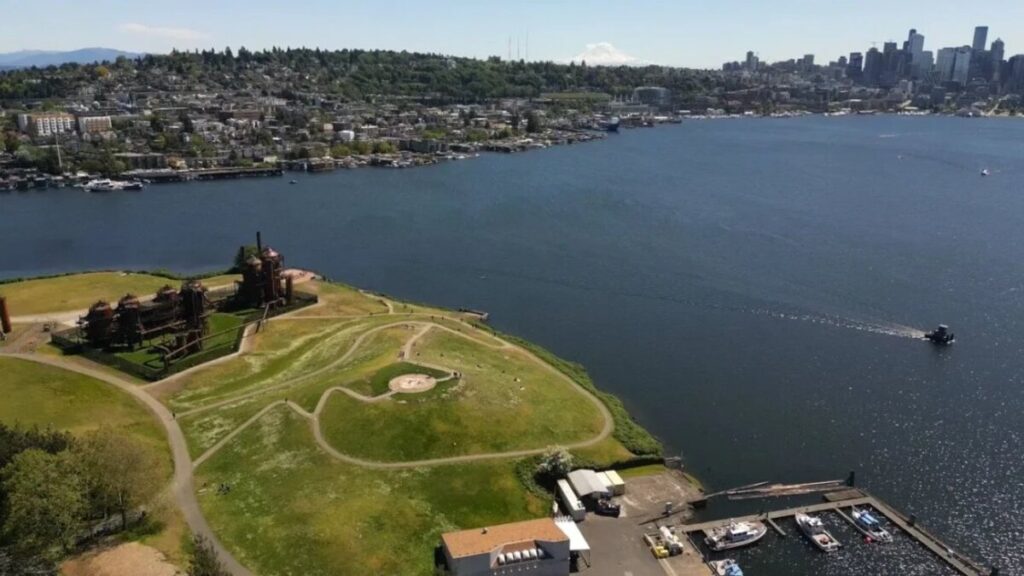
The Landmarks Preservation Board’s role protecting historic character against alterations creates institutional tension with Parks Department’s safety mission. Whether the board prioritizes preserving Gas Works Park’s unique identity as climbable industrial relic or defers to safety concerns determines how landmark designation functions when preservation conflicts with public welfare. The Wednesday meeting at 3:30 p.m. on the L2 floor of Seattle City Hall will reveal whether historic preservation can accommodate safety modifications or protects character even at the cost of lives.
The lack of long-term conservation plan or dedicated funding reflects a systemic problem where the city designates landmarks but doesn’t commit resources needed to preserve them properly. The contaminated industrial site converted to park requires ongoing management costs that typical parks don’t face, creating financial pressures that crisis-driven decisions like structure removal attempt to resolve without addressing underlying funding gaps.
The removal of climbable features would transform Gas Works from interactive industrial artifact to visual landmark, fundamentally changing how visitors experience the park. Whether people would still visit to view towers from ground level, or whether loss of climbing access would reduce the park’s appeal, affects both community value and surrounding businesses that benefit from park traffic.