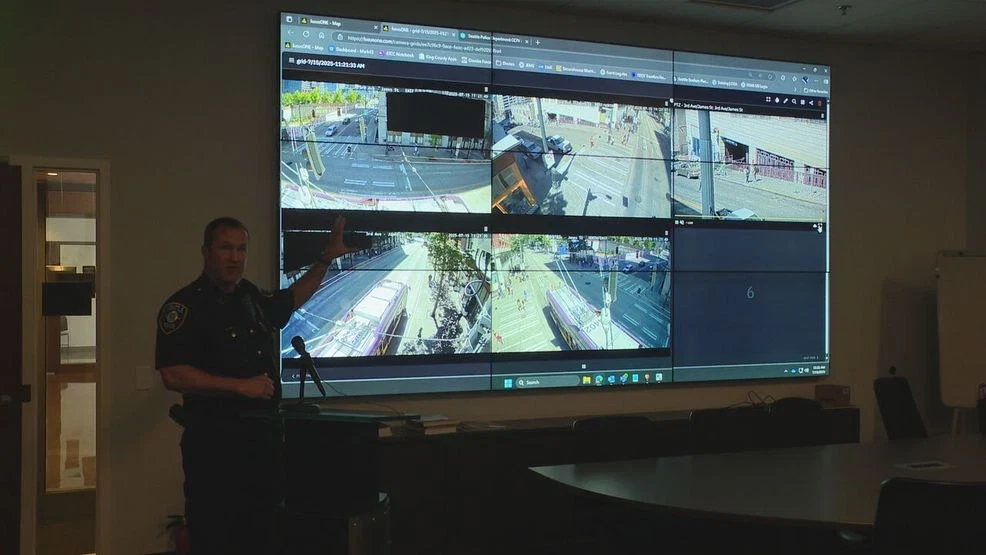
Seattle police say a new analysis shows officers working with the Real Time Crime Center are three times more likely to arrest offenders, with the technology helping solve cases ranging from murder to stolen cars.
According to a data analysis by the Seattle Police Department, officers and detectives were three times more likely to arrest an offender when they worked with Real Time Crime Center analysts. The RTCC provides real-time investigative support for 911 calls involving crimes ranging from murder to stolen cars. SPD analyzed 220,000 911 responses over the nine-month period between the launch of the RTCC and the end of February 2026.
The department launched the RTCC in May 2025 to help police respond more effectively to emergency calls. The center is staffed 19 hours per day, seven days a week, and serves as a response coordination hub that combines technology with real-time analysis. SPD said RTCC assistance is designed to provide faster and more precise first responses, offer real-time guidance to responders, and secure critical evidence for violent-crime investigations.
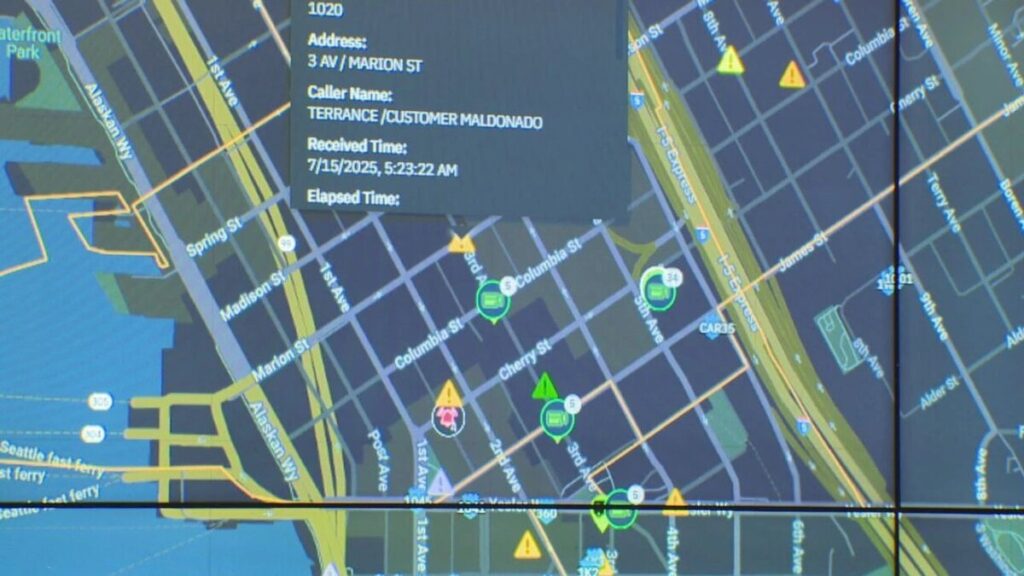
Last month, Chief Shon Barnes credited the RTCC’s technology and professional analysts with helping detectives make arrests in 53% of last year’s homicide cases, despite the center launching in May 2025. SPD also said ongoing analysis indicates the RTCC is helping victims of color. The department cited a U.S. Commission on Civil Rights report that said, “Black Americans are 12 times as likely as White Americans to die by firearm homicide.” SPD said technology used by the RTCC, including CCTV cameras, is deliberately concentrated in areas affected by violent crime.
SPD pointed to a February 24 case as an example of how the RTCC supports investigations in real time. Police said an RTCC analyst checking on a person suffering from an overdose observed a man whose clothing matched a suspect from a Belltown bar assault two weeks earlier and alerted patrol cars. Officers confirmed the information and arrested the man within one hour.
The RTCC is operating under a two-year pilot project authorization. An independent evaluation is being managed by the Office of Inspector General and contract evaluators at the University of Pennsylvania. The findings will determine whether the technology becomes a permanent part of Seattle’s law enforcement infrastructure.