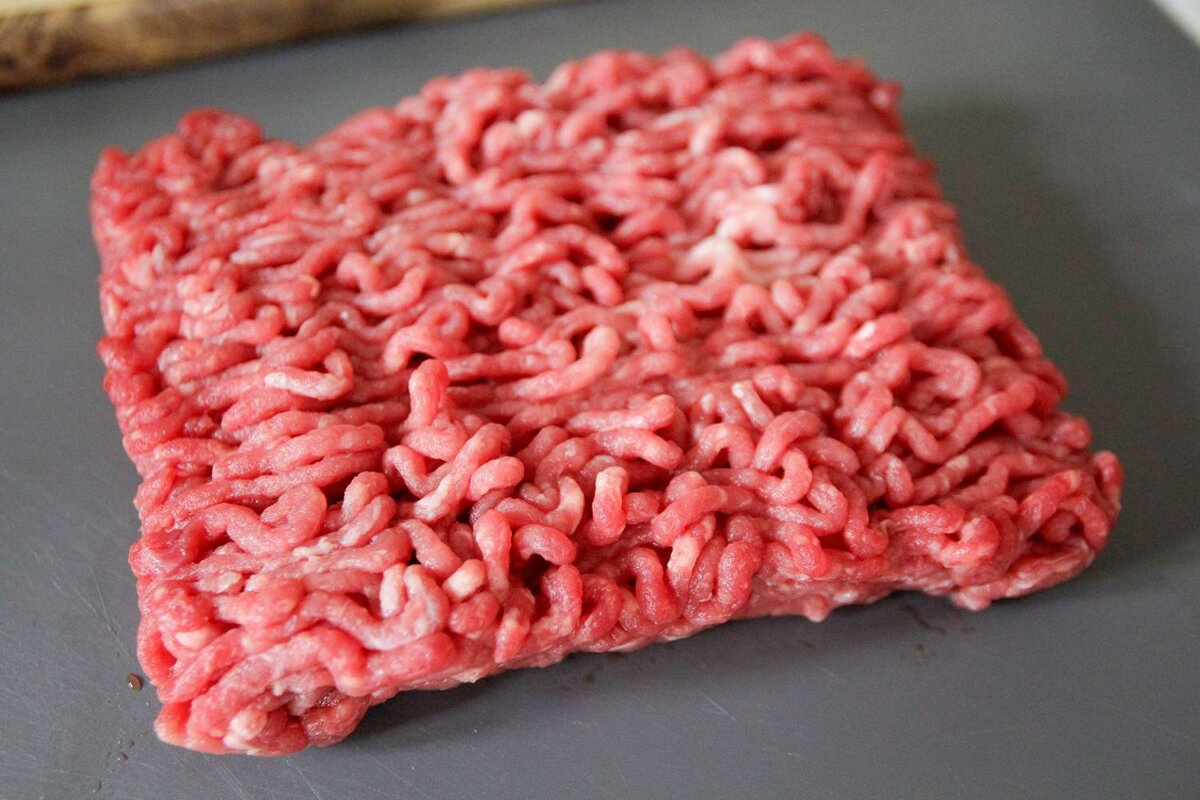
Thousands of pounds of ground beef were recalled after tests confirmed the presence of E. coli, turning what shoppers thought was premium grass-fed beef into a potential health hazard sitting in freezers across six states.
The affected products, distributed by an Idaho company, were sold in six states, including Washington.
Mountain West Food Group issued the recall for the 16-ounce packages of grass-fed beef. Fortunately, no illnesses have been reported so far.
The item was produced on December 16:
16-ounce vacuum-sealed packages containing “FORWARD FARMS GRASS-FED GROUND BEEF” with “USE OF FREEZE BY 01/13/26 EST 2083” printed on the side of the packaging.
Consumers who have these products in their fridge or freezer are advised to either discard them or return them to the shop for a refund.
Anyone with questions about the recall can contact Jeremy Anderson, CEO of Mountain West Food Group, LLC, at 208-679-3765 or info@mountainwestfoodgroup.com.
The E. coli detection before any illnesses were reported represents the food safety system working as intended. Regular testing caught contamination before people got sick, triggering the recall that prevents what could have been a widespread outbreak.
The December 16 production date and January 13, 2026 use-by date mean this beef was meant to be consumed over the coming weeks. Many consumers likely bought it for holiday meals or stocked their freezers, unaware of the contamination.
The “grass-fed” marketing suggests premium positioning and higher prices than conventional ground beef. Consumers who paid extra for what they believed was higher-quality beef now face disposing of or returning contaminated product.
E. coli O157:H7, the strain most commonly associated with ground beef recalls, produces toxins that cause severe diarrhea, abdominal cramps, and vomiting. In vulnerable populations like children, elderly people, and those with weakened immune systems, infection can lead to hemolytic uremic syndrome, a life-threatening condition causing kidney failure.
Ground beef poses particular E. coli risks because grinding mixes surface contamination throughout the product. A steak contaminated on the outside can be safely cooked because high heat kills bacteria on surfaces. Ground beef requires cooking the entire mass to 160 degrees Fahrenheit to ensure all bacteria are killed.
The vacuum-sealed packaging that keeps beef fresh also means contaminated packages sitting in freezers won’t show obvious signs of spoilage. The beef looks and smells normal even whilst harbouring dangerous bacteria.
The six-state distribution, including Washington but not specifying the others, means the recall affects a regional market rather than nationwide. Mountain West Food Group likely distributes primarily in the Northwest and Mountain West regions.
The “thousands of pounds” mentioned without a specific number suggests either the company hasn’t determined exact quantities or is withholding that information. USDA recalls typically specify pound amounts like “12,000 pounds” when quantities are known.
The absence of reported illnesses so far could mean the recall happened quickly enough that most contaminated beef hasn’t been consumed, or that people who got sick haven’t connected their illness to the beef and reported it to health authorities.
The recall mechanism relies on consumers checking products in their freezers and recognising the specific package description. Many people don’t check recall notices, meaning contaminated beef will remain in some homes.
The USDA establishment number “EST 2083” printed on packages helps trace products back to the specific facility where they were produced, enabling targeted recalls rather than pulling all ground beef from all facilities.
Mountain West Food Group providing CEO Jeremy Anderson’s direct phone number and email for questions suggests a smaller company where leadership is handling the recall directly rather than routing through corporate communications departments.