Originally reported by Bloomberg
From 900 feet above Richland Parish, Louisiana, the landscape still looks the way it always has at harvest time. Roads are scattered with cotton that has spilled from trucks hauling crops to the parish’s last remaining gin. But the economics beneath that familiar scene have shifted dramatically. Even the best farmer in the parish can now expect to lose $300 per acre. Commodity prices have not kept pace with the rising cost of equipment, seed, fertiliser, and fuel. Subsidies no longer cover the gap. Small farms have all but disappeared. A global trade war has stripped large operations of reliable buyers. Bankruptcies are mounting, and younger residents, watching it all unfold, are leaving in search of work elsewhere.
Dustin Morris, 42, a corn and soybean farmer who also tends cotton, still flies his propeller plane over the farmland each morning, still tells himself that things are always going to get better. A farmer has to believe that, he says. Otherwise, why would you stay?
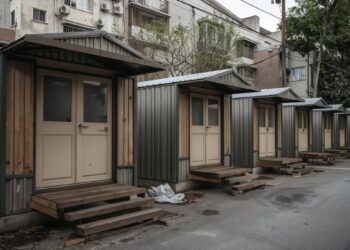
Then the view from his plane changes. The rolling fields give way to a dirt pit five miles long and a mile wide. Trucks barrel through it. Cranes swing overhead. Workers pour cement. Dust swirls across a construction site that is reshaping one of the poorest corners of the United States. As many as 7,500 contractors are expected to descend on a parish that has only 20,000 permanent residents. Some are already arriving from newly erected worker camps and RV parks that have sprung up along the edges of what was, not long ago, farmland enriched by the silt of the Mississippi River.
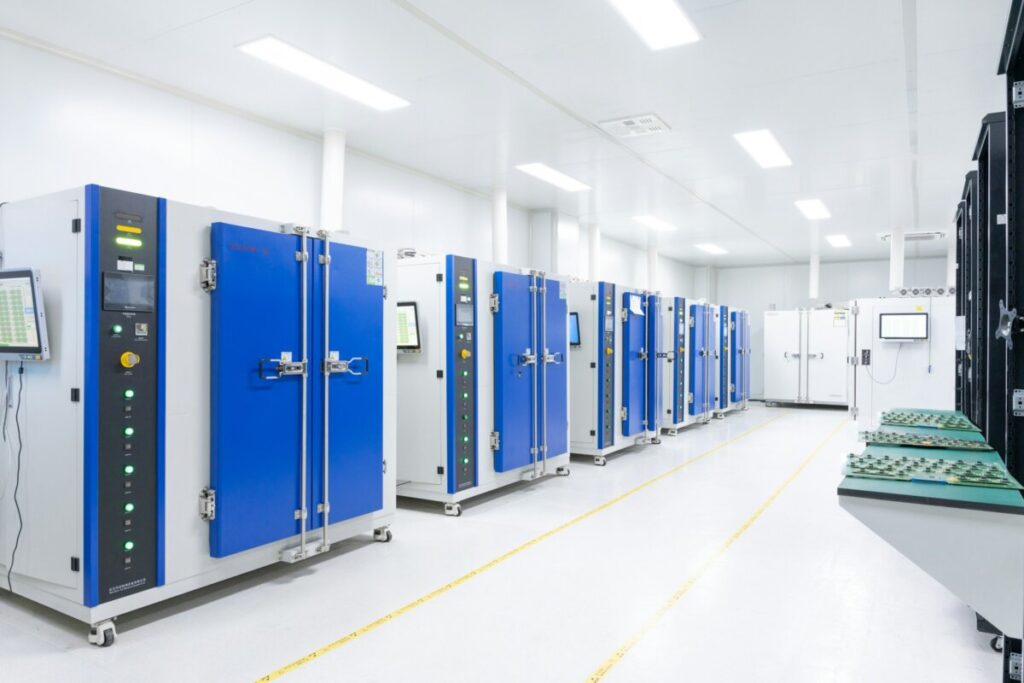
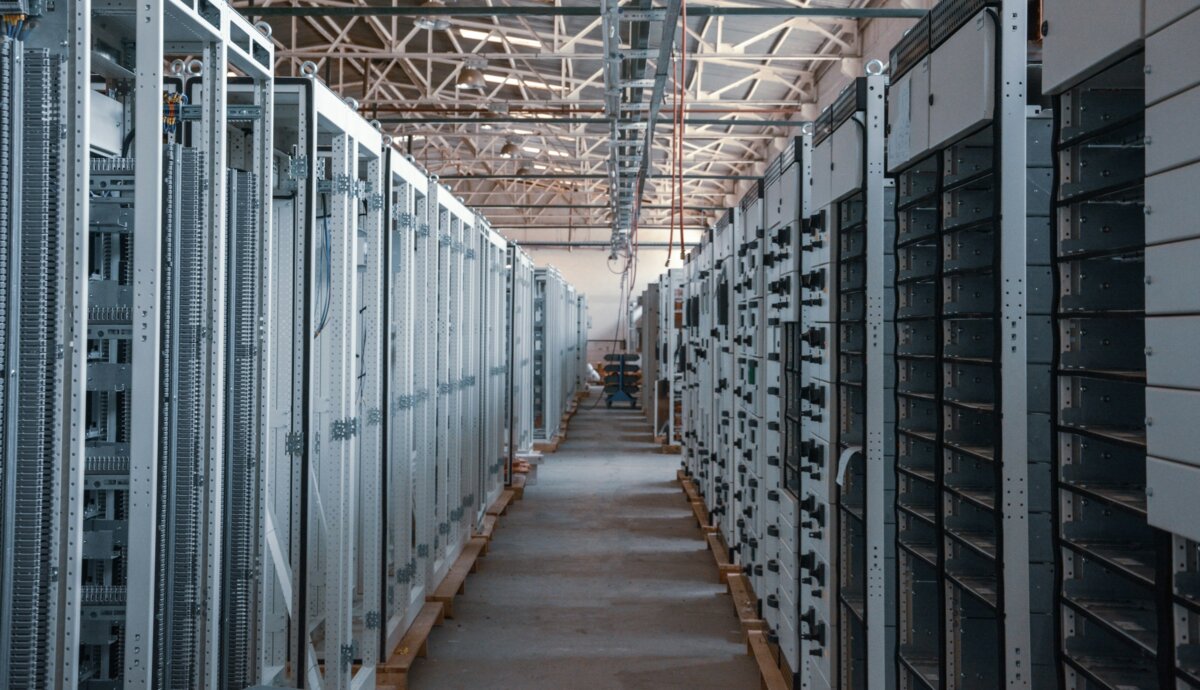
Meta Platforms is building one of the world’s largest data centres here. The project, called Hyperion, carries a multibillion-dollar price tag and a footprint that could cover much of Manhattan. It is being financed through one of the largest private capital arrangements ever assembled. Ten new gas-fired turbines have been planned to supply the power it will require to operate. The details were worked out through an unusually sprawling set of private agreements, conducted largely out of public view, and residents like Morris learned of the project only after the decisions had already been made.
The scale of what is being built has drawn attention at the highest levels. At a cabinet meeting last summer, President Donald Trump marvelled at the project’s ambition. “When they said $50 billion for a plant, I said, ‘What the hell kind of plant is that?'” Trump said, holding up a piece of paper showing the data centre superimposed on an aerial image of New York City. “But when you look at this, you understand why.”
For the farmers and families of Richland Parish, the picture is more complicated. The land that Hyperion now occupies has value that those residents understand differently from tech executives and government officials. Its worth, for generations, has come from what it can grow. Whether the arrival of one of the world’s most powerful companies changes the trajectory of a community in long-term economic decline, or simply builds something enormous in the middle of it, remains an open question.
Morris is still deciding whether to sell land his family has held for generations.