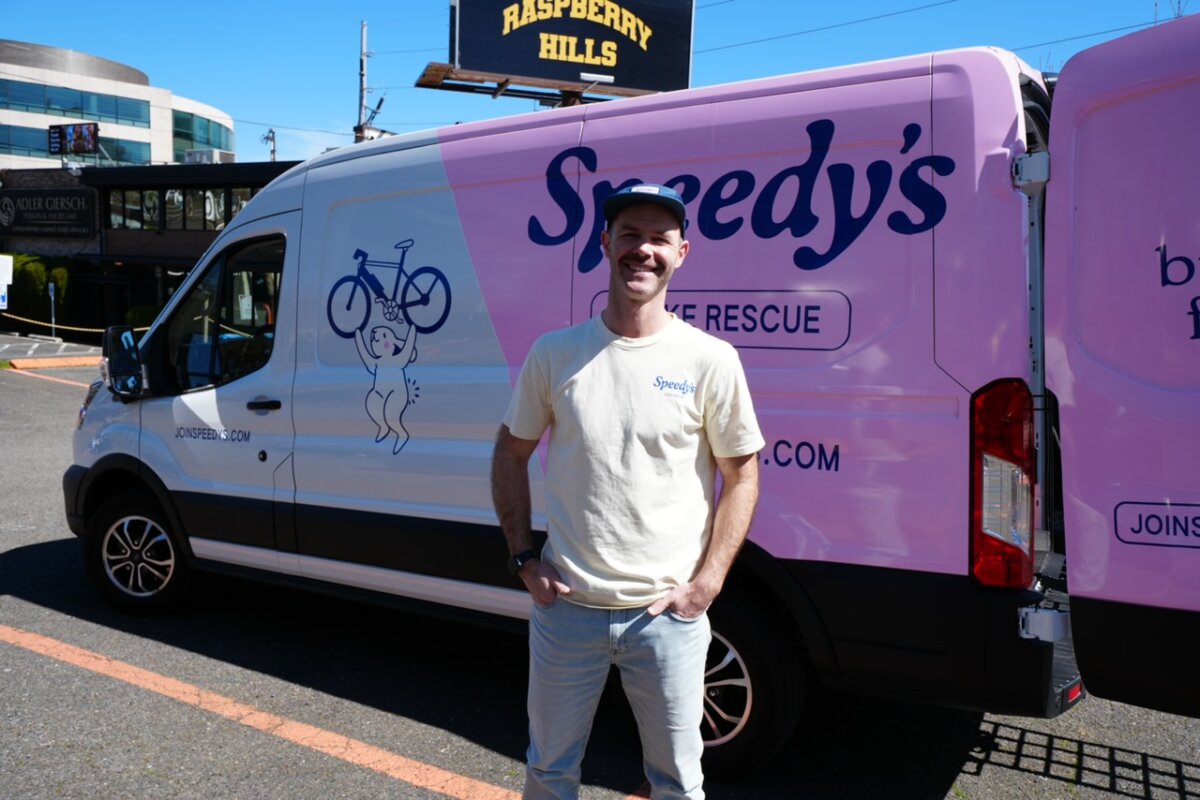
Tyler knows exactly what it feels like to be stranded in the middle of Seattle with a broken-down e-bike and no clear path forward. Two years ago, he lived that frustration firsthand, stuck on the side of the road with a bike that would not move and no service in the city equipped to help him. Instead of waiting for someone else to solve the problem, he built the solution himself.
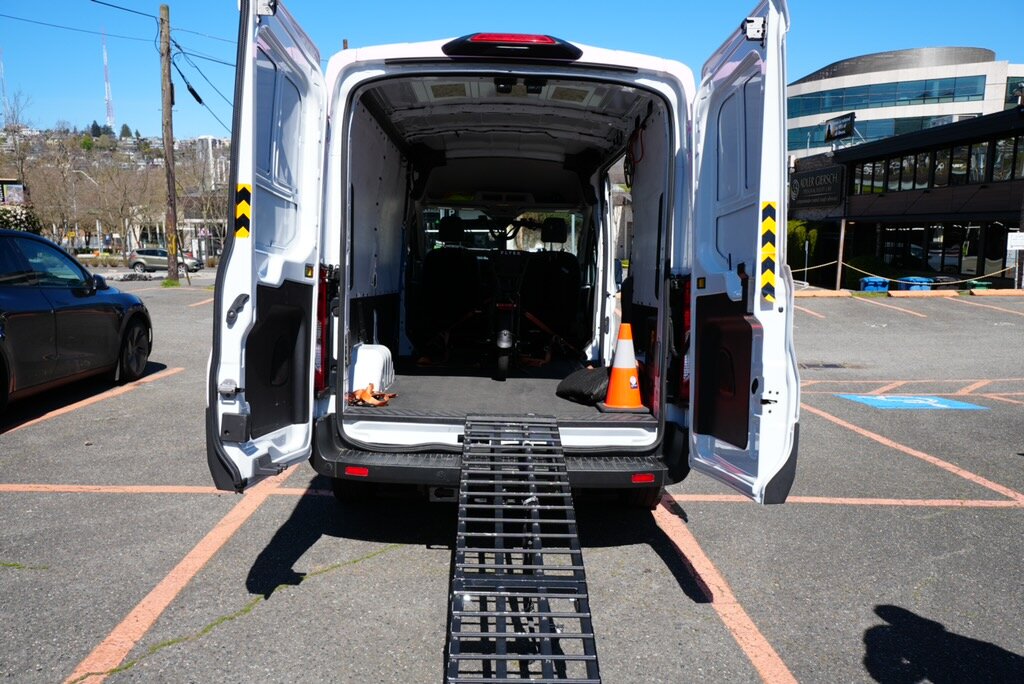
The result is Speedy’s E-Bike Rescue, Seattle’s first dedicated roadside rescue service for e-bikers and cyclists across the city and the Eastside. The premise is built around one thing most riders have never had access to before: a guaranteed response time. When a member runs into trouble, whether their bike breaks down mid-ride on a busy arterial or fails to start outside their front door, they send a quick text. Speedy’s team drives out within 90 minutes or less, loads the bike into their van, and delivers it directly to whichever bike shop the rider prefers. There are no phone queues, no vague estimated arrival windows, and no need to figure out how to transport a heavy e-bike across the city on your own.
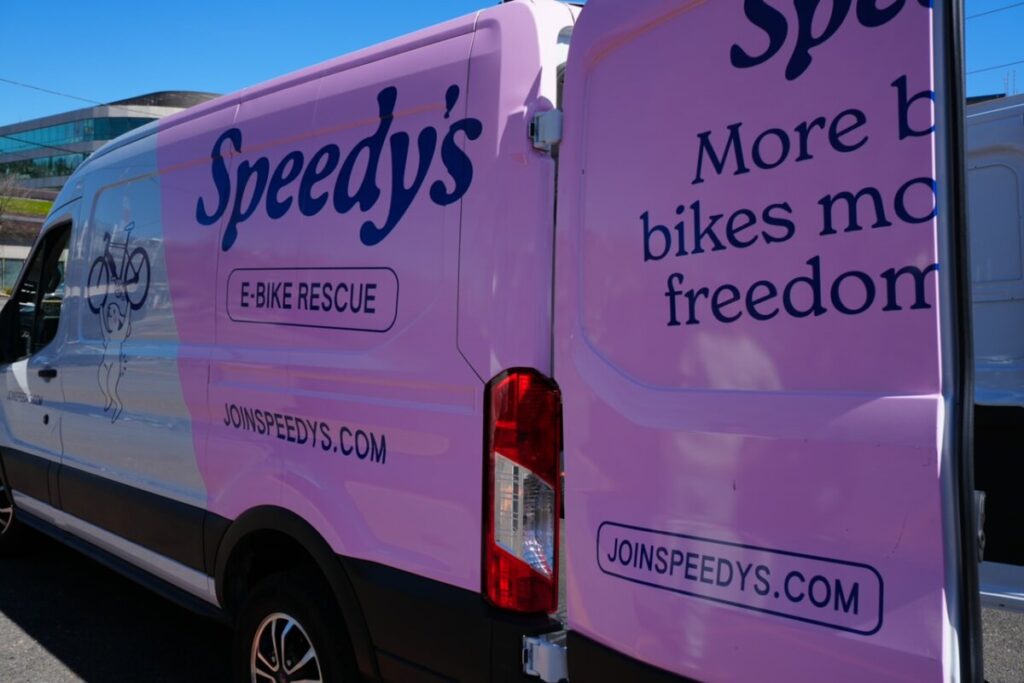
The service has revealed a clear pattern in Seattle’s e-bike breakdowns. Flat tyres account for roughly 40% of all emergency pickups, making them by far the most common reason riders call for help. Tyler points out that a significant number of those calls are preventable. Riding on under-inflated tyres puts pressure on the inner tube in a way that causes pinch flats, a failure mode that a quick tyre pressure check before each ride can largely eliminate. It is the kind of practical maintenance knowledge that Speedy’s has accumulated through hundreds of rescues across Seattle’s streets, hills, and bike paths since the service launched.
Beyond emergency response, Speedy’s also offers scheduled home pickups for riders who want to send their bike in for routine maintenance without the hassle of transporting it themselves. The team comes directly to the rider’s address, collects the bike, and delivers it to the preferred shop, making regular servicing easier to stay on top of. For e-bike owners whose machines represent a significant investment and a primary mode of transport, that convenience matters.
Seattle’s e-bike ridership has grown steadily over the past several years, driven by the city’s expanding network of protected lanes, the rising cost of car ownership, and a broader cultural shift toward two-wheeled commuting. What has lagged behind that growth is the support infrastructure riders need when things go wrong. Speedy’s E-Bike Rescue is the first service in the city built specifically to fill that gap, and for a growing community of riders who depend on their bikes daily, it is arriving at exactly the right moment.